
Germany’s Auto Industry Collapse Is a Stark Warning for Detroit

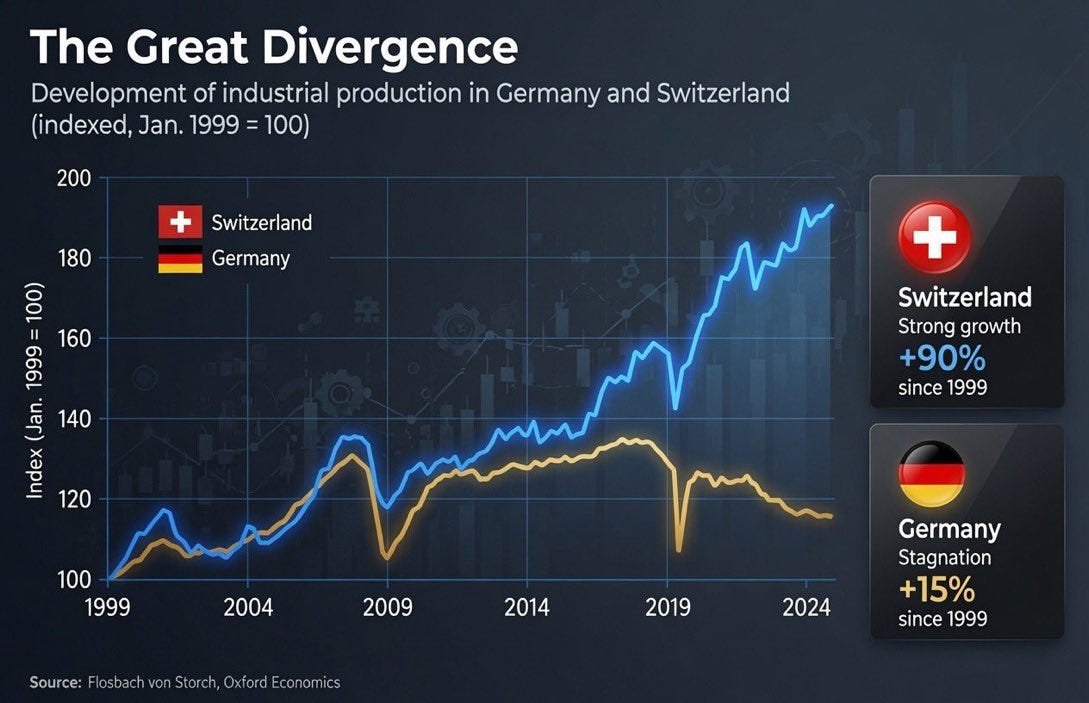
Germany’s once-mighty auto industry is trembling under pressure that strikes at the heart of that country’s national psyche. Volkswagen, Mercedes-Benz, and BMW, the industrial icons that helped define modern Germany’s former economic might, are reeling from a toxic mix of American tariffs, a botched electric vehicle transition, and relentless competition from Chinese manufacturers.
Sales in China, long a key profit engine for these companies, have cratered. Volkswagen moved 26 percent fewer vehicles there in recent periods. Mercedes saw a 28 percent drop and BMW slumped 20 percent. Company executives are now considering factory closures, model cancellations, and tens of thousands of job cuts. Such moves would slow the bleeding, but they’re akin to putting Band-Aids on a bullet wound. Chinese rivals churn out new models in 18 months or less while Western firms lumber along on multi-year cycles. The result is cheaper, better-equipped EVs flooding markets and eroding the Germans’ once-dominant position.
As so often is the case when Western firms enter joint ventures with Chinese companies, what initially were lucrative partnerships have devolved into liabilities. For decades German brands enjoyed massive profits from China’s booming market through these joint ventures. Beijing’s engineers watched, learned, and invested heavily with state subsidies. Now they outpace the teachers on the technology that Brussels and Washington insisted would define the future.
What is happening to German carmakers now is the predictable outcome of governments forcing a rapid shift to electric vehicles while China controlled the supply chains for batteries, critical minerals, and the manufacturing scale to undercut everyone else on price and speed. German labor protections and consensus management, long sources of strength, have proven slow to adapt. The EU’s stubborn clinging to climate alarm dogma has only amplified the problem.
