
How Offshore Infrastructure Is Reshaping Global Energy Security

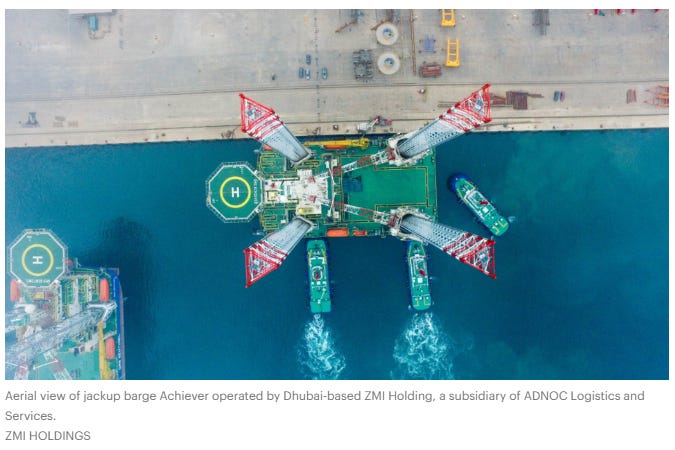
Every year, the Offshore Technology Conference in Houston serves as a barometer for where global energy infrastructure is heading. This year’s theme, Steering Offshore Energy Innovation into the Future, captured a growing industry reality: while the global energy mix is diversifying, the offshore infrastructure capabilities required to build and maintain it remain closely linked.
That reality has become even more pronounced amid heightened geopolitical instability, supply chain disruption, and rising energy security concerns stemming from conflicts in the Middle East, Europe, and Asia. In an environment shaped by sanctions, shipping disruptions, regional tensions, and increasing competition for strategic resources, offshore infrastructure is no longer viewed solely through a commercial lens. It is increasingly central to national resilience, economic stability, and long-term energy security.
For governments seeking to balance decarbonization with reliability, the challenge is becoming less about choosing between conventional and renewable energy systems and more about ensuring the infrastructure exists to support both securely and at scale.
Ali El Ali, CEO of Abu Dhabi-based ZMI Holdings, told me in a recent interview that the future of offshore energy is less about replacing one system with another than it is about extending proven operational expertise across multiple energy sectors, leveraging decades of marine engineering experience to support a more diversified global energy system.

As governments expand investment in renewables while continuing to rely on hydrocarbons for energy security, companies with large-scale offshore engineering capabilities are taking on a more central strategic role. ZMI, wholly owned by ADNOC Logistics & Services, increasingly reflects that shift.
