
The War Between Refiners Over E15 Rises Again This Week In Washington

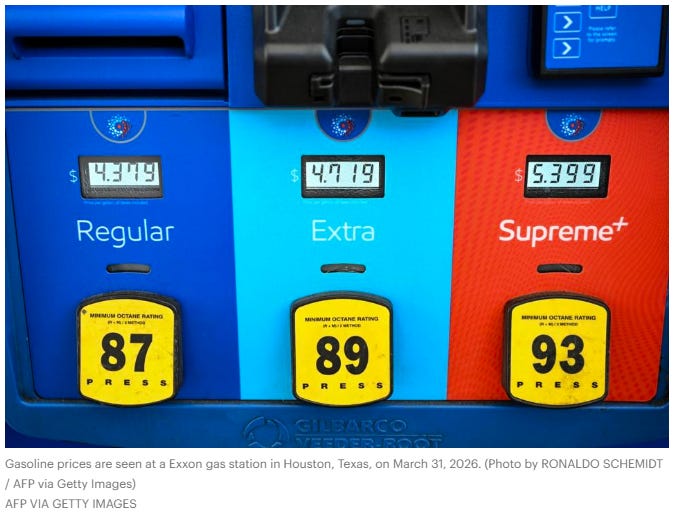
The battle pitting factions of the U.S. refining industry against one another reopens this week in Washington, DC with a House vote on a bill to mandate the sale of E15 gasoline nationally year-round. When I wrote on April 29 about Amendment 289 to the 2026 Farm Bill designed to execute this expansion, I pointed out that it had renewed a long-running split in the refining industry, with the integrated majors and their refining arms on one side, and the independent refiners who produce roughly half of the fuel Americans put in their tanks on the other.
Refiners Take Sides Over E15 Mandate
The amendment - sponsored by Minnesota Republican Michelle Fischbach - pitted the American Petroleum Institute (API) and its big-refiner members, who like the market certainty and downstream retail upside they obtain with ethanol, against the Small Refineries of America, who argued it would strip away statutory protections and accelerate the very refinery closures consumers can least afford.
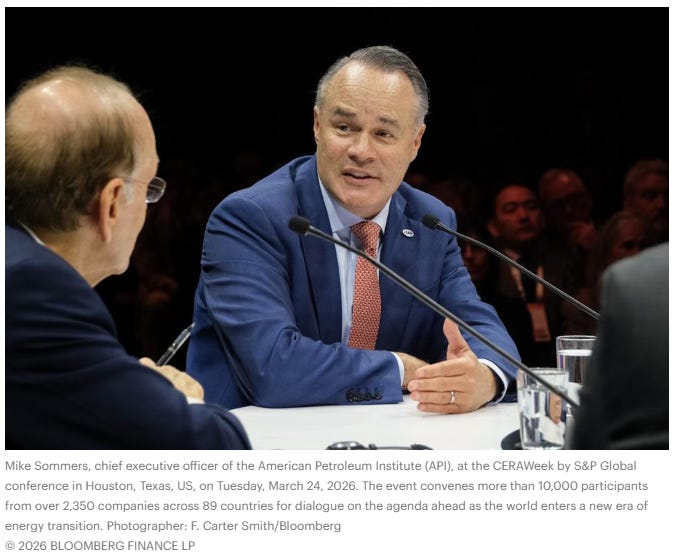
The House passed the Farm Bill on April 30 without the E15 language, a temporary win for the small refiners. But that didn’t put the matter to rest, merely postponing the language to a stand-alone vote this coming week. API is so enthusiastic about the bill that it made a 6-figure digital ad buy touting it last week in 15 key House districts, as reported by E&E News in Politico Pro. API’s director of policy communications, Scott Lauermann, said the bill represents a “balanced approach to expand consumer choice, strengthen rural economies and provide long-overdue regulatory certainty.”
In response, GOP Reps. Scott Perry of Pennsylvania and Chip Roy of Texas took the other side in an op/ed in The Hill. In the piece, the two congressmen argue that year-round E15 isn’t “lower-cost fuel for consumers,” but a hidden tax and a straight-up gift to the corn-ethanol industrial complex. It’s a gift which has grown so large over the past 20 years that today, fully 1/3rd of America’s annual corn harvest is dedicated to making unneeded fuel rather than bolstering the global food supply.
